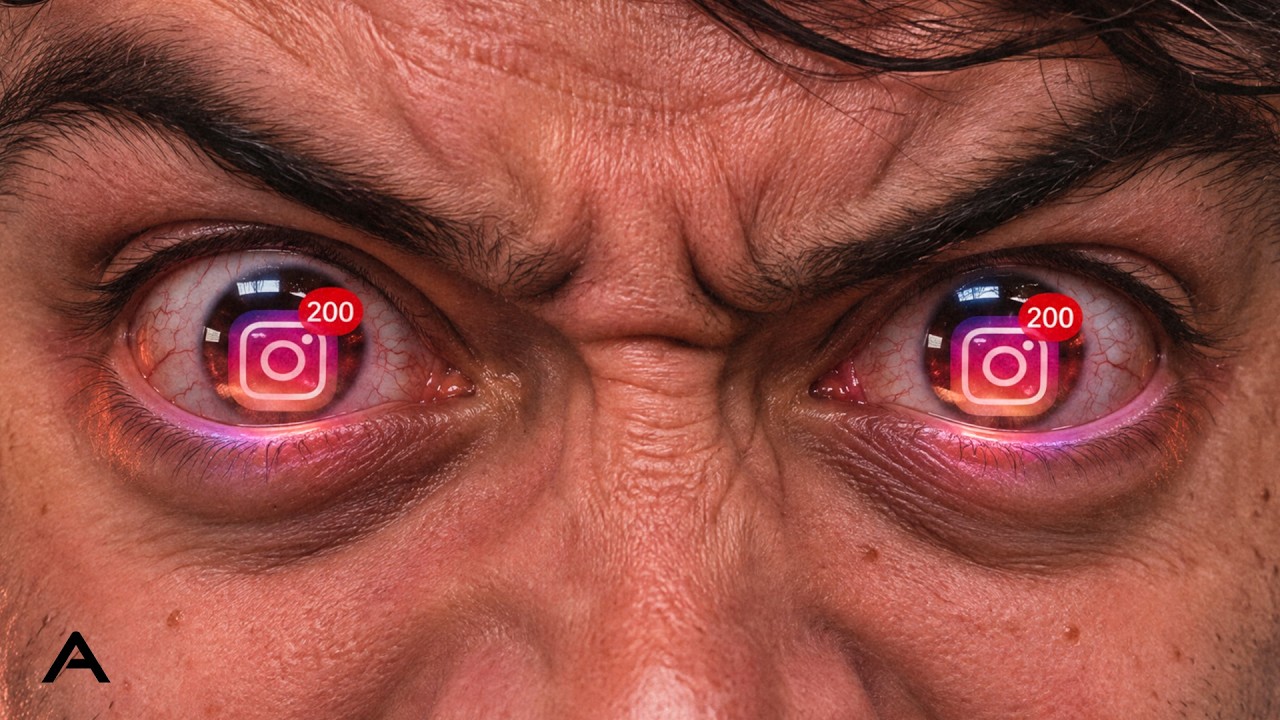
Modern Life Is Breaking Your Brain
Title history
- Modern Life Is Breaking Your Brain — observed on 20261112-0401 UTC (YouTube)
Keywords
Summary
150 words
Critical Evaluation
Value of the Information & Strength of the Argument
The video offers a compelling and accessible synthesis of research on cognitive offloading, social media’s impact, and the dangers of groupthink. Its value lies in connecting disparate phenomena—AI in education, workplace slop, echo chambers, and therapy speak—into a coherent critique of modern digital culture. The argumentation is generally persuasive, using logical progression and relatable examples. However, it sometimes oversimplifies complex issues, such as presenting AI’s effects as uniformly negative without acknowledging potential benefits. The use of specific studies (MIT, UNESCO) bolsters credibility, but some references are vague (e.g., ‘a recent MIT study’) lacking precise details. The inclusion of counterarguments is limited, but the overall reasoning is clear and well-structured.
Scientific Rigor, Source Quality, Title Accuracy
The video references multiple sources, including an MIT study on LLM use among students, a UNESCO survey on content creators, and insights from Dr. Gloria Mark. These are relevant and lend authority to the claims. However, the citations are often imprecise—the MIT study is not named, and specific details are omitted, which weakens verifiability. The video also relies on anecdotal observations (e.g., teachers from TikTok) and personal commentary. The title accurately reflects the content, as the core theme is the degradation of critical thinking due to modern life. The overall rigor is moderate; it is more of an opinion-driven documentary than a peer-reviewed analysis.
228 words
Title / Content Match
The title accurately summarizes the core thesis that modern technology and societal structures are degrading our cognitive abilities and critical thinking.
Quality & Reliability
7/10
The video references several studies (MIT, UNESCO) and experts (John Dewey, Gloria Mark), but many claims are based on general observations and lack direct citations. The argumentation is coherent but occasionally lacks nuance.
Chapters
Cited Sources
- MIT study on LLM use and student performance — Referenced as a study conducted by MIT comparing groups of students using brain vs LLM to write essays.
- MIT report on 95% of organizations finding no ROI from AI — Mentioned in the context of AI investments.
- UNESCO survey on content creators — Cited for statistics on content creators not verifying accuracy.
- John Dewey's philosophy of critical thinking — Discussed as first defining critical thinking and its educational importance.
- Dr. Gloria Mark's advice on managing screen time — Her recommendations for breaks and awareness are mentioned.
- The Suta Pitaka (Buddhist text) — Used for the parable of the poison arrow.
Contribution & Novelties
The video’s original contribution lies in weaving together contemporary concerns about AI-induced cognitive offloading, social media-driven groupthink, and the weaponization of therapy language into a single, urgent narrative. While each topic has been covered separately, the synthesis provides a holistic view of how modern digital environments erode critical reasoning. The practical advice from Dr. Gloria Mark and the Buddhist parable offer actionable takeaways that distinguish it from purely critical essays.
Pour aller plus loin:
- Groupthink (Wikipedia) — Core concept discussed.
- Cognitive offloading (Wikipedia) — The mechanism underlying AI’s impact.
- Confirmation bias (Wikipedia) — Explanation of echo chambers.
- John Dewey (Wikipedia) — Philosopher cited in the video.
- Sunk cost fallacy (Wikipedia) — Example of McNamara.
114 words
Radar Profile
The radar profile shows high quantity of information and moderate quality, with lower technical complexity and reliability. This indicates a comprehensive but accessible overview, prioritizing breadth over depth.