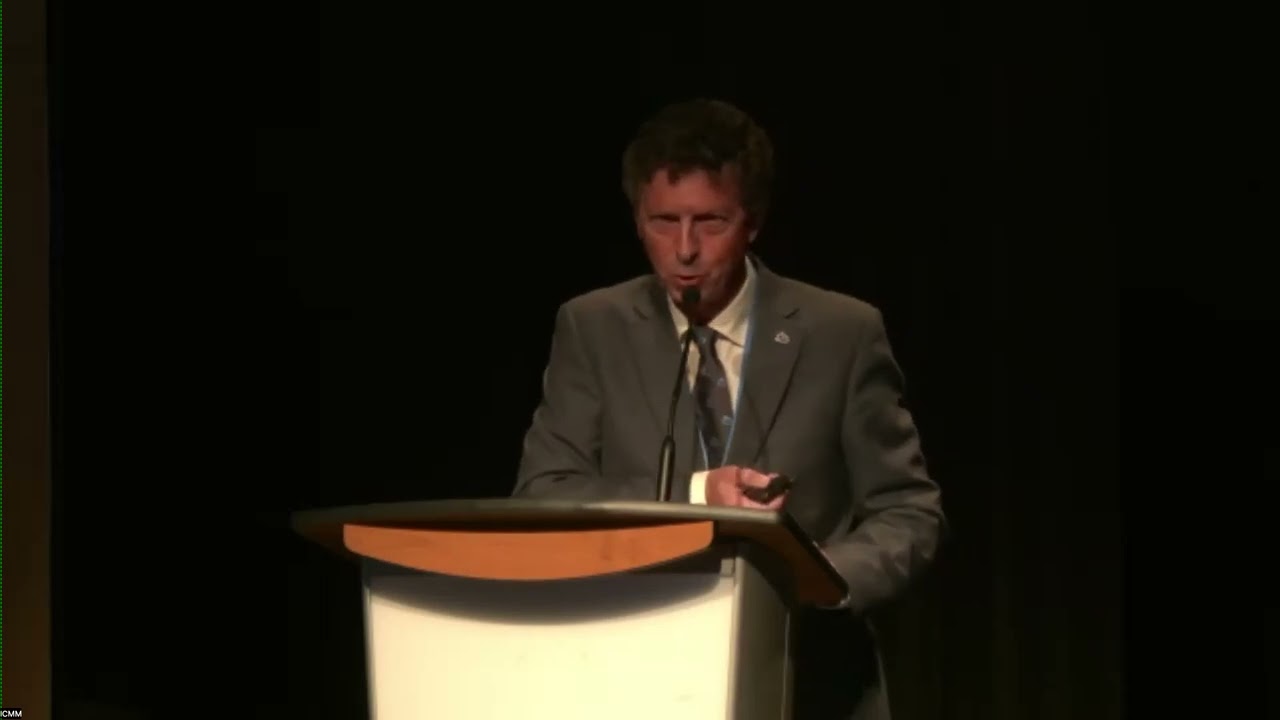
Expanding Our Mandate: History, Art & Marine Science- Joost Schokkenbroek, Hong Kong Maritime Museum
Keywords
Summary
183 words
Critical Evaluation
Value of the Information & Strength of the Argument
The value of this presentation lies in its practical insight into how a maritime museum can adapt to contemporary environmental concerns. The speaker provides concrete examples of institutional changes, partnerships, and educational programs, illustrating a real-world transition from a traditional historical focus to a more integrated, science-oriented approach. The argumentation is structured chronologically and thematically, presenting the museum’s evolution and the rationale behind it. However, the talk relies heavily on anecdotal evidence and personal experience, lacking empirical data or rigorous analysis. The claims about marine biodiversity (e.g., 6,000 species in Hong Kong waters) are presented without citations, and the overall argument for museums becoming advocates for ocean conservation is asserted rather than deeply substantiated. The speaker does acknowledge challenges but does not offer deep solutions, making the presentation more inspirational than prescriptive.
Scientific Rigor, Source Quality, Title Accuracy
The scientific rigor is modest; the talk is an expert opinion with minimal external references. The speaker mentions partnerships with organizations like the Hong Kong Observatory and Ocean Park, and quotes Sylvia Earle, but does not provide specific sources or data. The title accurately matches the content, which is centered on expanding the museum’s mandate to include marine science alongside history and art. The presentation is coherent and internally consistent, but it would benefit from referencing studies or best practices in museum education and marine conservation. The lack of citations limits its reliability for academic or research purposes. The public comments are not provided, so no analysis of audience reception is possible.
259 words
Title / Content Match
The title accurately reflects the content, which details the museum's expansion from history and art to include marine science and conservation.
Quality & Reliability
5/10
Presentation based on practitioner experience with limited external citations; claims about marine species and museum figures are not independently verified but are plausible for a museum director.
Key Moments
Markers derived by PSI from the transcript: the creator did not define chapters.
- Introduction acknowledging organizers and greetings from other maritime museums, then beginning the history of the Hong Kong Maritime Museum.
- Details the move to Pier 8 in 2013 and the expansion to 1000 square meters, noting the 2015 ICMM conference.
- Introduction of the newly completed Swire Marine Discovery Center, funded by Swire, with its three components: theater, gallery, and learning center.
- Description of hands-on educational programs, collaboration with Ocean Park, and the focus on making the invisible visible (e.g., plankton).
- Discussion of challenges and opportunities, including hiring marine scientists, maintaining credibility, and the three steps of awareness, care, and action.
Cited Sources
- ICMM Congress 2022 — The presentation was given at this conference, which focuses on maritime museums and marine conservation.
- Hong Kong Maritime Museum — The museum whose mandate expansion is described in the presentation.
- Swire Group — Funder of the Swire Marine Discovery Center, mentioned as a major sponsor.
- Sylvia Earle — Quoted as saying 'no water no life no blue no green', emphasizing the importance of oceans.
- Hong Kong Observatory — Mentioned as a partner for discussing typhoon prediction and climate change impacts.
Contribution & Novelties
The presentation offers an original perspective on how a maritime museum can expand its traditional scope to include marine science and conservation, providing a practical case study with specific initiatives and partnerships. It highlights the process of integrating scientific education into a historical institution, including funding, staffing, and program development. This contributes to the discourse on the evolving role of museums in addressing contemporary environmental issues.
Pour aller plus loin :
- Ocean literacy — Relevant as the museum’s programs aim to enhance public understanding of ocean ecosystems.
- Marine conservation — Directly linked to the museum’s goal of advocating for ocean conservation.
- Maritime museum — Provides context on the traditional roles and potential evolution of such institutions.
116 words
Radar Profile
The radar profile shows moderate scores across all dimensions, with quality of information slightly higher than quantity and reliability. This indicates a presentation that is coherent and insightful but lacks rigorous sourcing and deep technical detail, typical of a practitioner-led talk focused on inspiring change rather than providing exhaustive evidence.