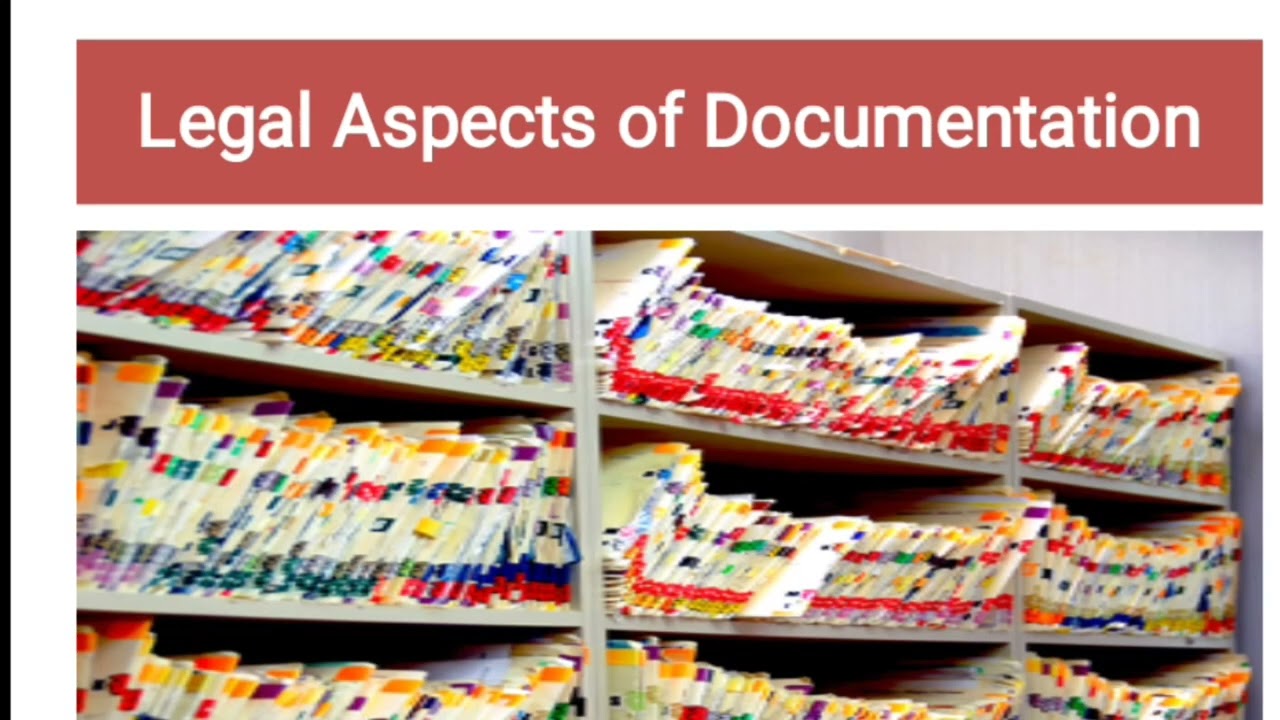
communication chapter : 3 part 2 BSN Ist semester kmu slides in pashto #kmupdates #nursingschool
Keywords
Summary
128 words
Critical Evaluation
Value of the Information & Strength of the Argument
The value of this video lies in its direct coverage of core nursing communication topics relevant to BSN curricula, such as therapeutic techniques and documentation standards. The argumentation is straightforward: it presents definitions and examples of communication skills (e.g., self-disclosure, exploring) and explains the legal and accreditation importance of proper documentation. However, the presentation is didactic and lacks examples or case studies that would enhance understanding. The speaker does not critically evaluate or compare different approaches, and the argumentation is largely a recitation of textbook points. There is no evidence of evidence-based practice or updated guidelines; the content appears generic and could be found in any introductory nursing textbook. The video’s value is primarily as a review material for students who already have a textbook.
Scientific Rigor, Source Quality, Title Accuracy
Scientifically, the video does not cite any specific sources, papers, or clinical guidelines. It relies on standard nursing knowledge, but without references, it cannot be verified. The title claims the lecture is ‘in pashto’, but the transcript is mostly English, with occasional non-English segments marked as ‘foreign’. This mismatch could confuse viewers expecting a Pashto-language tutorial. The content matches the title’s topic (communication chapter), but the presentation is informal and seems to be a direct recording of a classroom session. The adequacy between title and content is moderate: the topic is correct, but the language discrepancy is problematic. No comments or external validation were provided, so the scientific rigor cannot be fully assessed.
253 words
Title / Content Match
The title indicates a Pashto-language lecture, yet the transcript is predominantly English. The content matches the topic of communication in nursing, but the language mismatch is confusing.
Quality & Reliability
5/10
The video covers basic nursing communication and documentation concepts, but the presentation is rough, with slides read aloud and no external references. Content appears accurate but lacks depth and clarity.
Key Moments
Markers derived by PSI from the transcript: the creator did not define chapters.
- Introduction to direct communication with patients and identifying health problems
- Encouraging patient to select topics, example: 'Tell me about your family'
- Offering self and unconditional availability to increase client's self-worth
- Giving information and exploring topics further, e.g., 'Tell me more about that'
- Importance of documentation: 'if no documentation is recorded, no care was given at all'
- Requirements for clear charting: date, time, legible handwriting, and signatures
Contribution & Novelties
This video offers no original research or new insights; it is a basic recap of nursing communication concepts. Its contribution is limited to serving as a study aid for nursing students, but even that is hampered by poor production quality and unclear language delivery.
Pour aller plus loin :
- Therapeutic communication — Provides a broader context of the techniques mentioned, such as active listening and empathy.
- SOAP note — Explains a structured format for patient documentation, directly relevant to the charting principles discussed.
- Nursing documentation — Covers standards and legal aspects of record-keeping in nursing, reinforcing the video’s emphasis on accurate documentation.
102 words
Radar Profile
The radar profile shows moderate scores in information quantity and quality, but low technical depth and reliability. This suggests a basic, surface-level overview that may be useful for beginners but lacks the rigor and depth expected of professional nursing education.