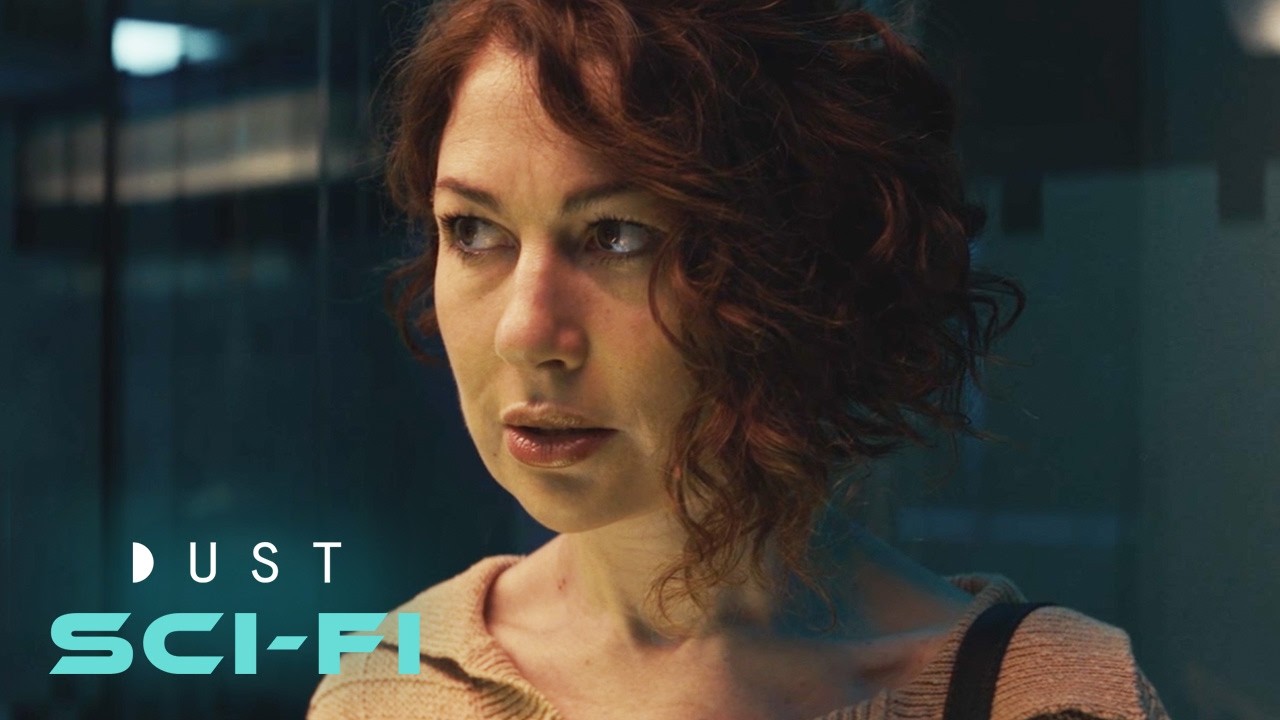
AWAKE | Sci-Fi Short Film | DUST
Keywords
Summary
230 words
Critical Evaluation
Value of the Information & Strength of the Argument
The value of the film lies in its conceptual ambition: it uses science fiction not for spectacle but as a lens to examine weighty philosophical questions about free will and determinism. The argumentation is implicit but coherent, presented through the characters’ interactions rather than explicit discourse. The director’s statement reinforces the intended thematic depth, emphasizing that the film sits in the uncomfortable space between predestination and free will. The strength of the argument rests on the realism of the couple’s conflict—recognizable patterns of blame, defensiveness, and hurt—which grounds the speculative element. The narrative advances logically from an everyday argument to a meta-contextual twist, prompting the viewer to reconsider the nature of choice. While the film does not present a sustained philosophical debate, it effectively raises questions about whether awareness of one’s patterns can alter them. The sparse dialogue and deliberate pacing contribute to the intellectual weight, though the ambiguity of the ending may frustrate some viewers. Overall, the argumentation is solid within the fictional realm, prioritizing emotional truth over explicit exposition.
Scientific Rigor, Source Quality, Title Accuracy
As a work of fiction, AWAKE does not adhere to scientific rigor in a factual sense, but it maintains internal consistency. The film’s source material is its director’s vision, and the description provides links to the filmmaker’s website and IMDb profile, offering transparency about the creators. The title is aptly chosen, resonating with the themes of awakening to a simulated reality and the waking from emotional numbness. The adequacy between title and content is strong, as the film indeed centers on a forced awareness of one’s circumstances. While there are no external scientific sources cited within the video itself, the description includes relevant links to the film’s distribution and the filmmaker’s portfolio. The absence of citations is appropriate for a narrative piece; the reliance on artistic expression rather than documented data does not diminish its value within its genre. The director’s statement, included in the description, serves as a form of contextual validation, clarifying the intended message. Overall, the scientific or factual rigor is not applicable, but the film demonstrates careful thought in its construction and presentation.
363 words
Title / Content Match
The title 'AWAKE' aptly reflects the central revelation of a simulated reality, while the subtitle 'Sci-Fi Short Film' and 'DUST' accurately convey the genre and channel.
Quality & Reliability
6/10
The film is a fictional narrative exploring philosophical themes of memory and free will. While not factual, its internal coherence and the director's articulated intentions provide intellectual depth. The quality is moderate, appropriate for a creative work rather than scientific exposition.
Key Moments
Markers derived by PSI from the transcript: the creator did not define chapters.
Cited Sources
- Jono Hall Official Website — Director Jono Hall's portfolio and personal site.
- IMDb - Jono Hall — Director's IMDb profile for further filmography details.
- DUST Official Website — Channel DUST's homepage featuring sci-fi content.
- FilmFreeway Submission Page — Submission portal for short films to DUST.
Contribution & Novelties
AWAKE contributes a fresh perspective to the well-trodden theme of relationship dysfunction by framing it within a science fiction context. Instead of using technology as a mere plot device, the film integrates it as a metaphor for psychological repetition, depicting a closure program that ironically fails to break patterns. This original narrative angle offers a nuanced commentary on the nature of free will, suggesting that even with external interventions, our internal scripts may remain unchanged. The film’s focus on emotional realism—rather than action or special effects—distinguishes it within the sci-fi short film genre.
Pour aller plus loin :
- Free will — Central philosophical question about whether choices are truly autonomous.
- Determinism — The idea that all events, including human actions, are causally determined.
- Virtual reality therapy — Real-world applications of VR in grief and anxiety treatment, echoing the film’s premise.
- Memory consolidation — The process by which memories become stable, relevant to the replay of memories in the program.
159 words
Radar Profile
The scores indicate a profile with low quantitative information but high qualitative and technical execution. The film offers limited factual content but excels in narrative depth and production value, resulting in a moderate overall impact.