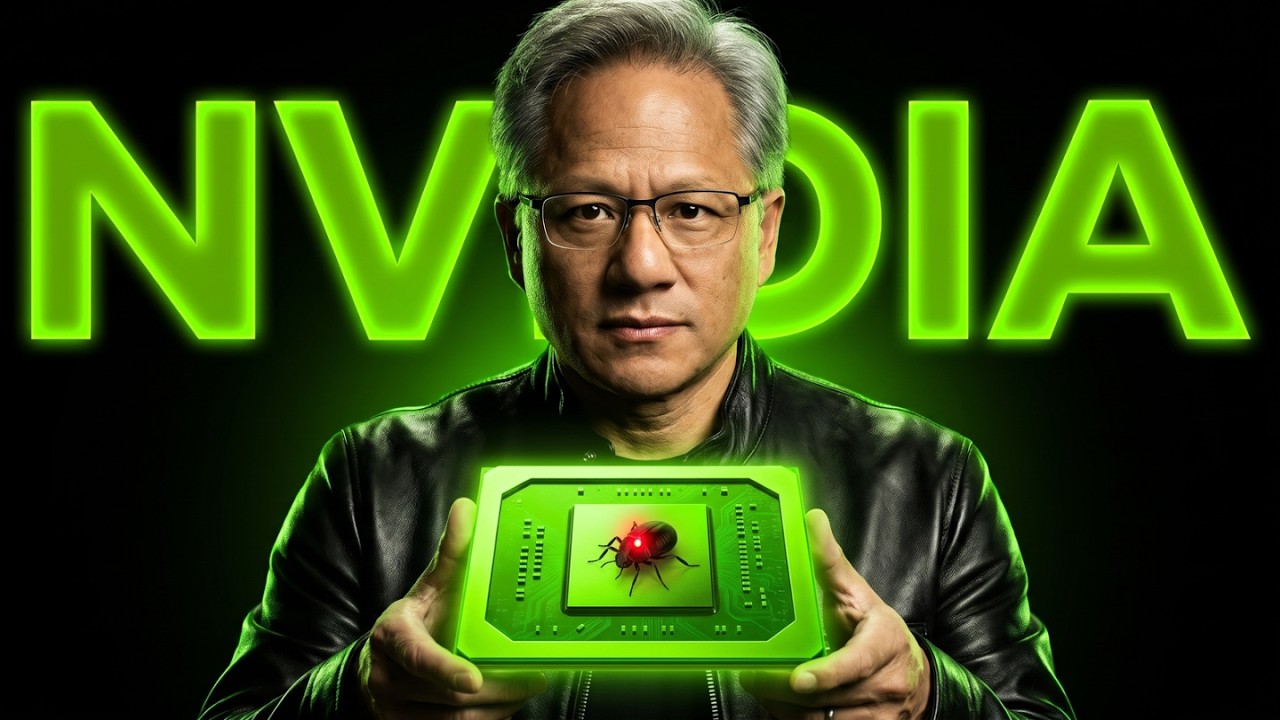
😳 L’homme le plus puissant de l’IA était ESPIONNÉ
😳 The most powerful man in AI was BEING SPYED ON
Title history
- 😳 L’homme le plus puissant de l’IA était ESPIONNÉ — observed on 20261114-0842 UTC (YouTube)
Keywords
Summary
151 words
Critical Evaluation
Value of the Information & Strength of the Argument
The video provides high value by consolidating scattered news reports into a clear, chronological narrative with specific figures and sources. It explains complex topics such as export-control loopholes, stock valuation, and corporate governance in an accessible manner. The argumentation is solid: it presents both bearish and bullish cases for Nvidia’s future, supports claims with data (market cap loss, debt ratios, analyst price changes), and distinguishes facts from speculation (e.g., noting Alice Wang has not been indicted). However, the narrative relies heavily on third-party reporting (mainly the New York Times), and the video does not provide independent investigative evidence. It also includes some unverified claims, such as the exact nature of Jensen Huang’s relationship, though these are attributed to sources. Overall, the argumentation is balanced and logical, though not without potential bias from the media aggregation.
Scientific Rigor, Source Quality, Title Accuracy
The scientific rigor is good for a journalistic piece: the video cites reputable outlets (NYT, Reuters, CNBC, IDC) and official documents (Nvidia 8-K, letters). It explicitly mentions when information is attributed to a specific source and gives dates, which enhances traceability. However, the video does not provide direct links in the description, making verification harder. The title matches the content well—it focuses on the espionage and its consequences. There is also a clear timeline and chapter structure that helps comprehension. The video does not discuss methodological limitations or alternative interpretations, but for a news review, the level of rigor is acceptable. The adéquation titre is perfect; the title is not sensationalist beyond the actual content.
265 words
Title / Content Match
The title accurately reflects the content: the video focuses on the espionage targeting Jensen Huang and its consequences for Nvidia.
Quality & Reliability
8/10
The video synthesizes credible reports from major news outlets (NYT, Reuters, CNBC) and presents a coherent narrative, but relies on second-hand reporting without independent verification.
Chapters
- Taipei, juin 2024 : la photo que personne ne regarde
- Du Kentucky au Denny's : qui est Jensen Huang
- La Chine privée de puces
- Megaspeed : les puces restent, le calcul part
- L'écoute, et la mise en garde jamais faite
- Les 13 jours qui ont tout emporté
- Nvidia peut-elle s'effondrer ?
- Pourquoi elle devrait tenir
- La leçon : une industrie qui reposait sur un seul homme
Cited Sources
- Nvidia 8-K filing and CEO Transition statement — Official company announcement regarding CEO departure
- Jensen Huang's letter to employees — November 8, 2026, acknowledging personal misconduct
- The New York Times articles — October 29, 2026 and November 9, 2026, on espionage and relationship
- CNBC, CBS News, ABC News, Reuters, AFP (The Korea Times) — November 2026, covering the resignation and market reaction
- The Next Web — August 7, 2026, explaining legality of remote chip rental
- Registre des sociétés de Singapour (Mothership) — Data on Megaspeed ownership
- IDC — Deliveries of AI accelerators in China, first half 2026
- Cours de clôture Nasdaq — Stock prices from October 6 to November 12, 2026
Contribution & Novelties
The video’s original contribution is its synthesis and storytelling, connecting the dots between a seemingly innocuous photo, espionage, and a corporate crisis. It provides a clear explanation of the cloud-computing loophole that allowed Chinese companies to access Nvidia chips, and it explores the leadership void at Nvidia. While it does not introduce new factual discoveries, it frames the events in a way that highlights systemic vulnerabilities in the AI supply chain.
Pour aller plus loin :
- Jensen Huang — Biographical background and career.
- Nvidia — History and technology.
- CUDA — The software ecosystem that creates switching costs.
- China–United States trade war — Context of export controls.
- Export control — Legal framework behind the restrictions.
114 words
Radar Profile
The radar chart shows a strong performance across all dimensions, with quantity of information (9) being the highest, followed by reliability (8), quality (8), and technical level (7). This profile indicates a comprehensive and trustworthy journalistic piece that explains complex issues in an accessible manner, though it does not dive deeply into technical details.