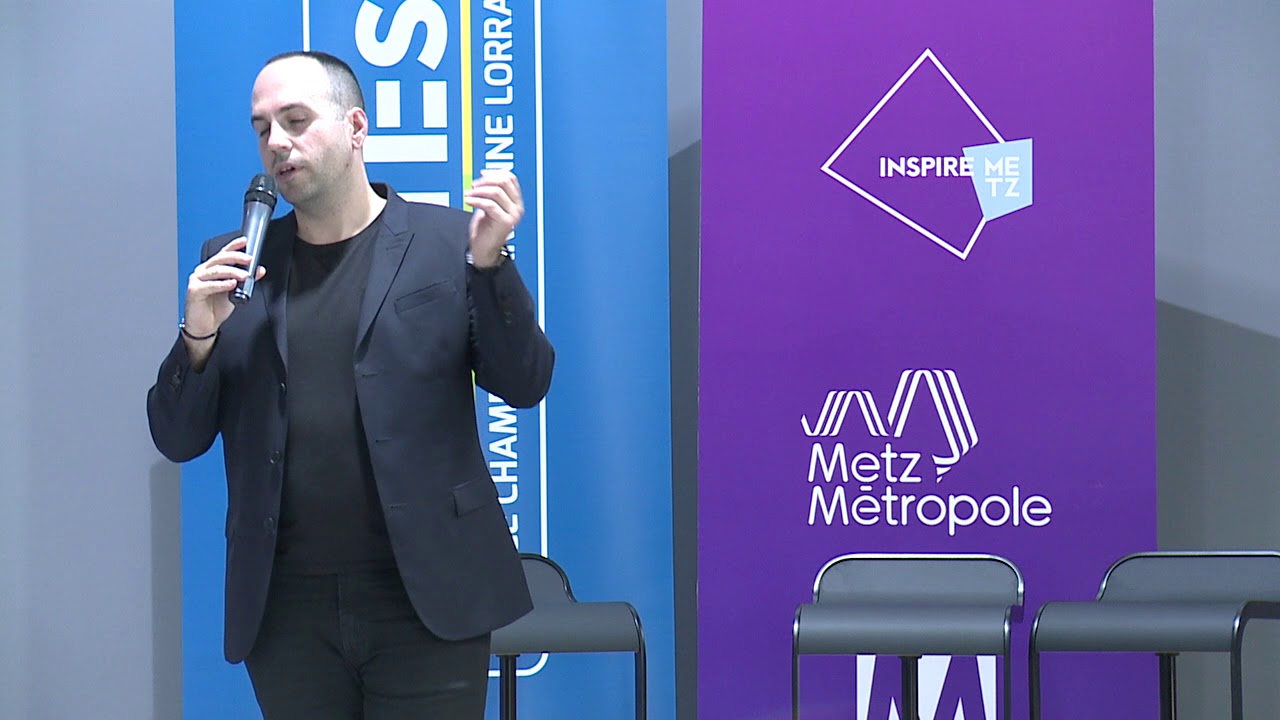
Conférence • Yohan Parent • Les 10 fausses bonnes idées pour être efficace sur Internet
Conference • Yohan Parent • The 10 false good ideas to be effective on the Internet
Keywords
Summary
127 words
Critical Evaluation
Value of the Information & Strength of the Argument
The informational value is moderate: the speaker provides concrete examples from his agency’s work, such as the Slim Belly campaign, which demonstrates a clear understanding of digital marketing tactics. However, the arguments are based on anecdotal experience rather than systematic evidence. The reasoning is logical and accessible, but it lacks citations to studies or industry benchmarks. The advice, while practical, may be seen as oversimplified for complex B2B environments.
Scientific Rigor, Source Quality, Title Accuracy
The talk is presented as a personal expertise disclosure rather than a scientific review. No external sources are cited within the video, and the only reference in the description is the event organizer’s website. The title accurately matches the content, listing ten ‘false good ideas’ that are indeed discussed. The lack of empirical references reduces scientific rigor, though the speaker’s professional experience lends some credibility. No comments were available to assess public perception.
157 words
Title / Content Match
The title accurately reflects the content: the speaker systematically presents common mistakes that are actually counterproductive for building an effective online presence. While all ten points are not explicitly numbered, the talk covers them clearly.
Quality & Reliability
6/10
The talk offers practical, experience-based advice on digital marketing, but it lacks scientific references or empirical data. Recommendations are opinionated and may be considered generic, though they align with common industry practices.
Key Moments
Markers derived by PSI from the transcript: the creator did not define chapters.
- Introduction and presentation of the speaker, Yohan Parent, and his agency Idead.
- First bad idea: having a website built by a relative or unqualified person.
- Second bad idea: using free platforms like Wix or Shopify, which are not truly free.
- Third bad idea: not having a website at all, leaving control of online reputation to others.
- Fourth bad idea: having only a website without integrating other digital levers like social media.
- Emphasis on the importance of social media and using them for market research and targeted advertising.
- Fifth bad idea: lacking a defined strategy; the need for SMART objectives and precise target audience definition through 'avatar' creation.
- Discussion on the necessity of paid advertising, even with small budgets, and the mistake of focusing only on digital.
- Final bad idea: not measuring actions; example of a segmented email campaign using click tracking and SMS follow-up.
Cited Sources
- Hoook.io — Mentioned in the video description as the organizer of the GEN2018 event.
Contribution & Novelties
The talk offers a concise checklist of common digital marketing pitfalls, delivered through relatable examples and personal experience. Its originality lies in the integration of technical tactics (retargeting, segmentation) with a clear business-oriented perspective, making it accessible to non-technical entrepreneurs. The emphasis on measuring results and the ‘avatar’ approach to audience definition provides a practical framework for improving online effectiveness.
Pour aller plus loin :
- SMART criteria — Explains the framework for setting effective objectives, directly relevant to the speaker’s advice on defining a strategy.
- Retargeting — Describes the advertising technique used in the video to re-engage website visitors, a key tactic for improving conversions.
- Google Ads — Provides context on paid search advertising, which the speaker recommends as essential for online visibility.
123 words
Radar Profile
The profile shows a moderate amount of information (7) and quality (6) offset by lower technical depth (5) and reliability (5). This suggests a practical, opinion-led presentation rather than a data-driven scientific analysis, suitable for a general business audience.